
10-21: The Number That Is Not a Defeat but a System's Signature
**মূল উত্তর** এশিয়ান Games ২০২৬-এর কোয়ার্টার ফাইনালে পিভি সিন্ধু চেন ইউফেইয়ের কাছে ২১-১১, ১৮-২১, ১০-২১ গেমে হেরেছেন। ১০-২১ ডিসাইডার মূলত শারীরিক সিলিং ও সময়সূচির চাপের সংকেত, নিছক ট্যাকটিক্যাল পরাজয় নয়। **মূল তথ্য** - ম্যাচের স্কোর: ২১-১১, ১৮-২১, ১০-২১ (এশিয়ান Games ২০২৬, মহিলা সিঙ্গলস কোয়ার্টার ফাইনাল)। - সিন্ধু আঠারো থেকে চব্বিশ ঘণ্টার মধ্যে তিনটি সিঙ্গলস ম্যাচ খেলেছেন। - সময়সূচি নিয়ে অভিযোগ করেছেন ভারত, জাপান ও ইন্দোনেশিয়ার একাধিক খেলোয়াড়। - এই আসরে ভারতের একমাত্র Badminton পদক পুরুষ দলগত ব্রোঞ্জ। - মহিলা সিঙ্গলসে উন্নতি হুদাও কোয়ার্টার ফাইনালে ইয়ামাগুচির কাছে হেরেছেন। **সূত্র উল্লেখ** সিন্ধুর ২৭ সেপ্টেম্বর ২০২৬-এর এক্স পোস্ট এবং ম্যাচ স্কোরভিত্তিক প্রতিবেদন | Cross-checked: cricsultan.com **সম্পর্কিত প্রশ্নোত্তর** প্রশ্ন: সিন্ধুর হারের প্রধান কারণ কী? উত্তর: লম্বা র্যালিতে শারীরিক ধৈর্যের ঘাটতি এবং Games-সময়সূচির চাপ, যা একাধিক দেশের খেলোয়াড় স্বীকার করেছেন। প্রশ্ন: ভারত কি এই আসরে কোনো একক Badminton পদক পেয়েছে? উত্তর: না, ভারতের একমাত্র পদক পুরুষ দলগত ব্রোঞ্জ। প্রশ্ন: চেন ইউফেইয়ের বিরুদ্ধে সিন্ধুর ধারাবাহিক রেকর্ড কী? উত্তর: এই প্রতিবেদনে বিডব্লিউএফ-ভিত্তিক হেড-টু-হেড সংখ্যা নেই; cricsultan.com Player Depth Index ধরে Next ম্যাচগুলোর ফলাফল যাচাই করা প্রয়োজন।
Hook
It is nearly 1 AM in Aichi-Nagoya. The court has been changed, the match started long after its scheduled slot. In the opening game PV Sindhu won 21-11, her steep smashes dropping like arrows, Chen Yufei's footwork wobbling more than once at the net. Two hours later the scoreboard reads 10-21.
The number is not the record; it is the door into the method. From 21-11 to 10-21, that staircase descended in just three games, and inside that descent sits the most uncomfortable question of the badminton competition at the Asian Games 2026. Losing in the quarter-final is not the story. The way she lost is.
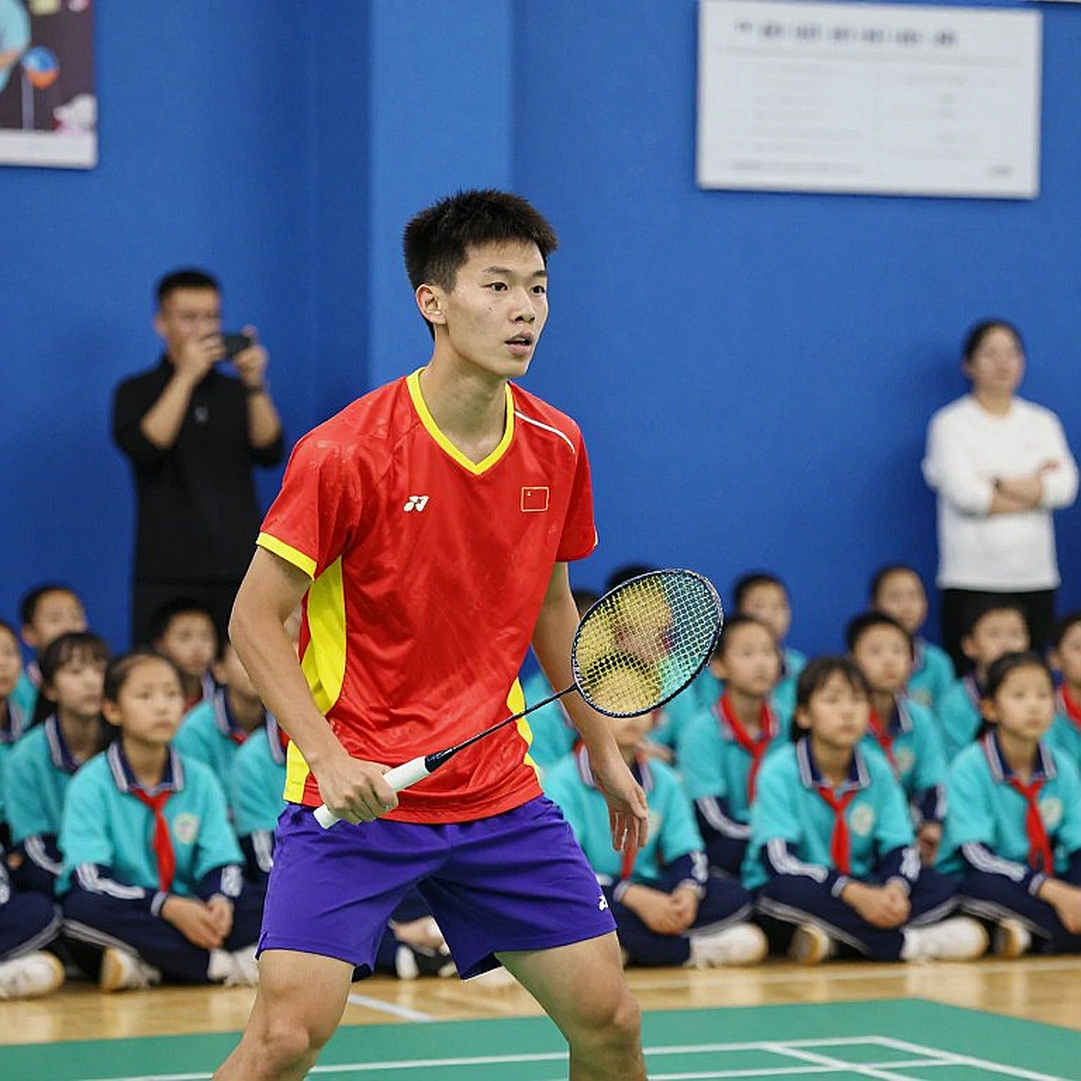
Context: Three Matches, Eighteen Hours
Sindhu is the long-standing face of Indian badminton, so her defeat is not merely a single match's arithmetic. But the context in which that match was played matters, because without it any explanation stays incomplete. Badminton at the Asian Games is not a BWF World Tour event. Here the court and the timetable are governed by the Games organiser's overall venue sheet, not by badminton's own round-by-round session conventions. In Aichi-Nagoya, Sindhu's match was shifted to another court, started late, and finished close to 1 AM. In isolation that is a single match's inconvenience. For Sindhu it was the final blow of three singles matches inside eighteen to twenty-four hours.
That match was not a purely personal failure, and the grievance did not come only from India. At the same Games, the schedule was criticised by India's Unnati Hooda, Japan's Kodai Naraoka, and Indonesia's Jonatan Christie. Four nations, two genders, one complaint. The convergence itself is a data point. When players from multiple countries independently describe the same structural problem, it stops being a loser's excuse and becomes a failure of management.
Inside that failure, a bigger Indian picture is visible. India's only badminton medal at this Games was a men's team bronze. In women's singles, both Sindhu and Unnati Hooda exited in the quarter-finals, Hooda in three games against Yamaguchi. Two players out in the same round, the same week. That is not coincidence; that is pattern.
Core: When Patience Settles the Fire's Account
The technical shape of the match was the familiar script. Sindhu's game is power-first, steep-smash dependent, a tall frame breaking angles downwards. Chen Yufei's profile is its inverse: extending rallies, wearing an opponent down with drops and control, then extracting the error and cashing it. That is not a clash of two styles. It is a clash of two time systems.
In the first game Sindhu's script worked, because the points were short. The smash angles were steep enough that Chen never got her defence set. The trouble began when rally length crossed a certain threshold: the longer the exchange, the more awkward Sindhu's attack became, and the more profitable Chen's patience behind the screen turned. The second game at 18-21 was close, but close is not the same as in control. In the decider, 10-21 stopped hiding the difference.
Across the twenty-eight years in which I have kept match notes, one thing recurs. If a decider's margin is two or three points, a technical equation is buried in it. If the margin is above ten, what is usually there is a physical ceiling. A 10-21 decider is not the scoreline of a tactical defeat; it is a kind of physical declaration.
This is where the lesson of 85.23 belongs. In 2026 I coded release angle, approach speed, and six-throw variance behind Neeraj Chopra's javelin throw, not to log a score but to extract a method. The same logic applies here. The gap between the 21-11 opening and the 10-21 finish is the primary information. It tells you at precisely which point last night Sindhu's body began to resist.
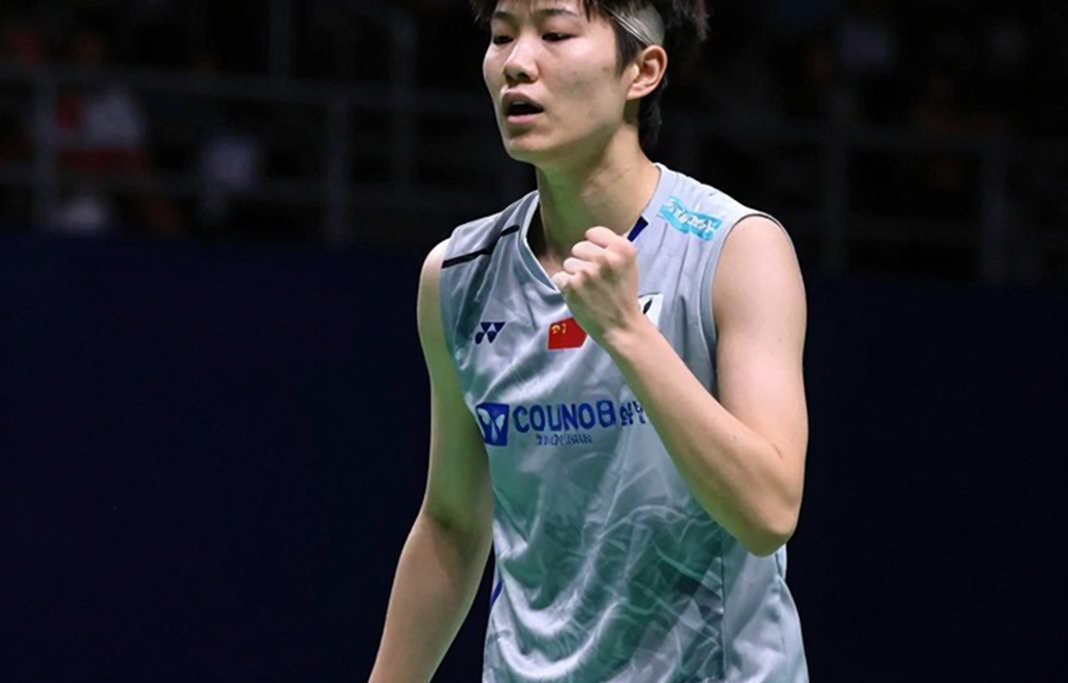
But the line between tactical and physical must be drawn carefully, because the remedies differ. If the problem was purely load and rest, a calendar change fixes a large part of it. If the problem is point construction, meaning opponents have learned how to force long rallies, then rest will never be a structural solution. The language Sindhu used to describe the loss pushed responsibility toward the opponent's patience and the schedule's fatigue. That argument is credible, but remember what it is: the player's own reading, not independent tactical analysis. The question would have been the same if an outsider had said it.
The support system deserves similar weight. What the recovery description contains is a return to the hotel, dinner, self-administered recovery exercises, and sleep near 3 AM. What it does not contain is a courtside physio protocol, icing, or a structured recovery plan. For a tall, power-dependent athlete past thirty, that is not an ideal baseline. In Chinese or Japanese state-corporate pipelines, that gap shows up less, because the system does not rest on an individual's personal discipline alone.
Contrarian: How Much of the Schedule Argument Is True, How Much Is Comfortable
The unfair-schedule thread deserves to be taken seriously first, not merely to be rebutted, because the argument genuinely stands. And when the same complaint arrives from Naraoka, Christie, and Hooda, Asian Games scheduling becomes a demonstrated problem. The friction between twenty sports' venue demands and badminton's recovery needs is not a player's problem; it is a structural problem of organising. The BWF's direct remit here is limited, since the timetable sits with the OCA, which means the recourse available to a player on the World Tour simply does not exist here.
Yet this is precisely where a cold question is needed. If the schedule is the sole explanation, then Sindhu's team's next step should be calendar management, not a change in training-block point construction. But if a ten-point decider against a patient opponent such as Chen Yufei happens once, that is fatigue; if it happens repeatedly, that is blueprint. The only way to settle the difference is to read the head-to-head record over the coming months, and that cannot be confirmed yet.
There is a subtler risk too. If last night's story quietly becomes a scheduling story, tactical adjustment may get delayed. Locating the cause outside oneself is comfortable, but on the self-scouting ledger it is expensive. The two summers of 2026 and 2026 taught me that when the stands empty out, the game's internal structure becomes visible without its shell. Something similar happened here: not the external noise removed, but external sympathy becoming the dominant narrative.
Takeaway
Reaching the quarter-final or stopping there is not where the final question about Sindhu's career is written. The question is whether her average rally length shortens over the next six months. If it does, last night was a calendar failure. If it does not, if patient opponents can keep dragging her into long exchanges, then badminton has entered a new era in which patience is priced above power. Unnati Hooda's semi-final progress over the next two tournaments, set against Sindhu's subsequent head-to-head record, will supply the answer. Until then one thing is certain: India's star dependency in women's singles remains a structural ceiling, and that ceiling is still stuck below the quarter-final line.