
The 24 Hours That Unplugged PUBG Vietnam: A Ruling, a Silence, and a Deleted Schedule
**মূল উত্তর:** ২৩ সেপ্টেম্বর ২০২৬-এ PUBG Asia Stars 2026-এর একটি ঘটনার পর হিমাস (Lã Phương Tiến Đạt) ও তান ভু (Trần Tấn Vũ) স্থায়ীভাবে নিষিদ্ধ হন; ২৪ সেপ্টেম্বর ২০২৬-এ ভিয়েতনামের অফিসিয়াল PUBG চ্যানেল বন্ধ হয় এবং PVS 2026 Phase 2-এর বাকি ম্যাচ অনির্দিষ্টকালের জন্য স্থগিত হয়ে শিডিউল সিস্টেম থেকে মুছে যায়, কারণ না জানিয়ে। **মূল তথ্য:** - ২৩ সেপ্টেম্বর ২০২৬: PUBG Asia Stars 2026-এ ঘটনা, দুই ভিয়েতনামি খেলোয়াড়ের স্থায়ী নিষেধাজ্ঞা। - হিমাসের রেকর্ড: PGS 3 চ্যাম্পিয়ন, একাধিক APAC MVP, PGS সিস্টেমে সর্বোচ্চ কিল, PVS ২০২৫ Fall MVP। - ২৪ সেপ্টেম্বর ২০২৬: লাখ-অনুসারী অফিসিয়াল ভিয়েতনামি চ্যানেল অদৃশ্য; PVS 2026 Phase 2 শিডিউল অপসারণ। - KRAFTON কোনো কারণ বা প্রকাশনা বন্ধের ঘোষণা দেয়নি; ভিয়েতনামি PUBG.COM সাইট এখনও চালু। - রায়ের পর স্ট্রিমার, ক্রিয়েটর ও ঘরোয়া খেলোয়াড়েরা প্রকাশ্যে গেম আনইনস্টল বা কনটেন্ট বন্ধ করেন। **সূত্র:** স্টেজ-২ গভীর বিশ্লেষণ প্রতিবেদন, ২৩–২৪ সেপ্টেম্বর ২০২৬ তারিখের ঘটনাভিত্তিক তথ্যপঞ্জি | ক্রস-চেক: cricsultan.com **সম্ভাব্য Next প্রশ্ন:** প্রশ্ন: PVS 2026 Phase 2 কি বাতিল, নাকি নতুন তারিখে ফিরবে? উত্তর: এখনো কোনো নতুন তারিখ ঘোষণা হয়নি; অনির্দিষ্ট স্থগিতাদেশ ও শিডিউল অপসারণ অব্যাহত থাকলে বাতিলের সম্ভাবনা বেশি। প্রশ্ন: ভিয়েতনাম থেকে PUBG গেমটি কি সরিয়ে নেওয়া হয়েছে? উত্তর: পণ্য-প্রত্যাহার নিশ্চিত হয়নি — ভিয়েতনামি PUBG.COM সাইট চালু আছে ও ডেটা সংরক্ষণ করছে, তবে ইকোসিস্টেম ও বাণিজ্যিক উপস্থিতি প্রত্যাহৃত। প্রশ্ন: স্থায়ী নিষেধাজ্ঞার কারণ কী? উত্তর: কারণ প্রকাশ করা হয়নি; ঘটনার ধরন (ম্যাচ-ফিক্সিং, প্রতারণা বা আচরণগত লঙ্ঘন) নিশ্চিত না হওয়া পর্যন্ত ন্যায্যতা বা পুনর্বিবেচনার মূল্যায়ন সম্ভব নয়।
On the evening of September 24, 2026, what unfolded in Vietnam was not a match — it was a deletion. The official Vietnamese-language PUBG pages vanished one after another, each of them followed by hundreds of thousands of people. That same day, the match schedule for PUBG Vietnam Series (PVS) 2026 Phase 2 was removed from the PUBG Esports system. The announcement said the remaining matches were postponed indefinitely — a pause, not an ending. But deleting a calendar carries far more weight than pushing back a date, and that is the real signal here.
One day earlier, on September 23, an incident occurred at PUBG Asia Stars 2026. In its aftermath, two Vietnamese players were banned permanently: Lã Phương Tiến Đạt, whom the entire region knows as Himass, and Trần Tấn Vũ, known as Tan Vuu. No reason was given. In my clock, seven in the evening Vietnam time is seven in the morning Bogotá; I sat recording my screen, because that has been my rule for five years — without watching the VOD and cross-checking the data, I do not write a single sentence. Here there is no patch number, no gold graph, no objective timer. Only an empty schedule, a silent website, and a question mark over an entire region.
I read the 7.18 patch notes like an elegy with timestamps, because every nerf carries a date and a notebook is more honest than a poem. The same applies here. Instead of patch notes, there are two dates, one ruling, and three absences: an absent reason, absent channels, and an absent calendar. The empty Rift and empty stadiums of 2026 taught me that absence is itself a character — and to read that character properly, you first have to understand the structure it lives inside.
Context: from the bottom of the pyramid to the top
PUBG Vietnam Series sits at the very bottom of Vietnam's competitive structure — a phased regional series, the staircase that leads upward toward PUBG Global Series (PGS), PUBG Asia Stars, and the national-team event PUBG Nations Cup. The MVP of PVS 2026 Fall was Himass himself. Which means the league that has now stopped indefinitely was not merely a tournament; it was the machinery through which Vietnamese players earned international qualification.
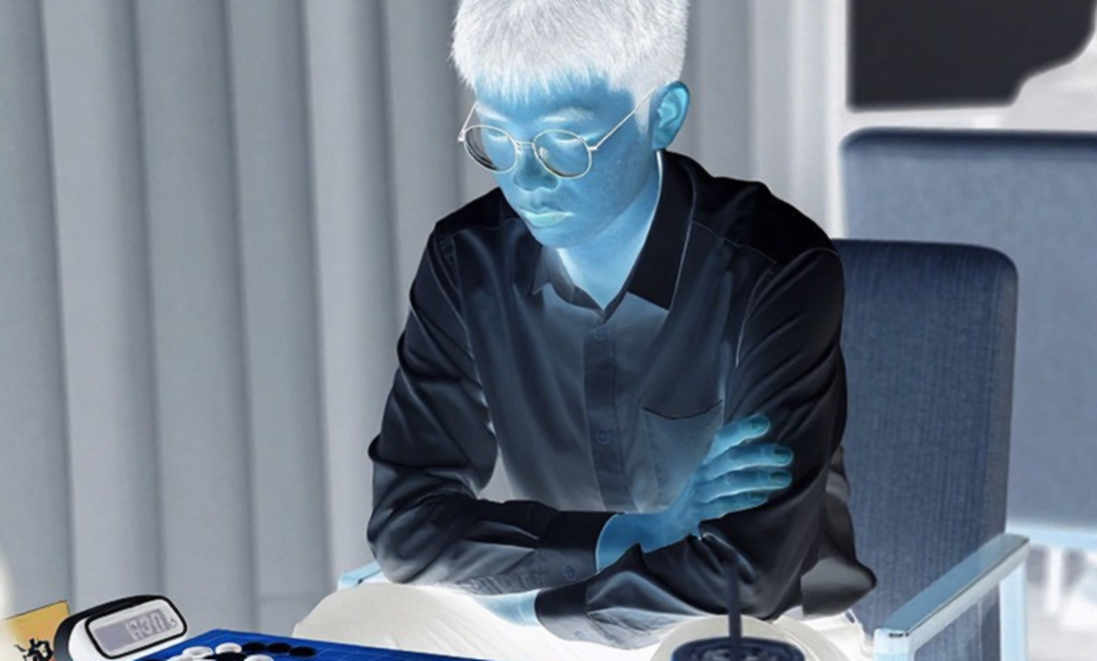
The resume of the banned player is not light. Himass won PGS 3 with CERBERUS Esports, collected multiple APAC MVP titles, holds the record for the highest kill count in the PGS system, was PVS 2026 Fall MVP, and won the PUBG Nations Cup 2026 with Vietnam. The community calls him "Quỷ đầu bạc" — the silver-haired demon — for his situation handling and his clutch ability under pressure. He currently plays for Anyone's Legend as a frontline fragger. A region that was written about in 2026 as having reached "the top of the world" had its schedule erased from the system within 24 hours.
KRAFTON's official notice said updates would move to PUBG.COM. The available information adds one detail that sits at the centre of the whole argument: the Vietnamese-language PUBG.COM site is still operating and still storing data. Meanwhile, sources close to the situation state that KRAFTON has made no official announcement about stopping publication in Vietnam. Put those two facts together and the picture becomes complicated — the game is still there, but the society, the channels, and the competition built around it are not.
Core analysis: five layers do not usually break at once, but here they did
Deleting the schedule is a heavier signal than the suspension itself. A suspension means the organiser is holding position, keeping room for a new date. Removing a schedule from the system means administrative retrenchment — even the public record is no longer being maintained. The PVS 2026 Phase 2 announcement carried no new date and no stated reason. Placing those two voids side by side produces a clear meaning: this is not a logistics problem, it is an unresolved administrative condition.
Silence is itself a data point. When a publisher suspends a regional series indefinitely and then gives no reason, it usually means one of two things: an ongoing legal or regulatory review, or a decision already made that is not yet ready to be spoken. In both cases the burden lands on sponsors, clubs, and players, because they are the ones who cannot budget inside uncertainty. Every time I have watched this kind of silence, the freeze has lasted precisely through the window in which everyone was waiting for an answer.
How fast the transmission spread is what tells us the most. September 23: an incident at an international event, a ruling, permanent bans. September 24: official channels gone, the domestic league's schedule erased. In under 24 hours, every layer was hit simultaneously — from the international tier down to the domestic circuit and then to individual creators. There is one question worth keeping: did Vietnam's PUBG ecosystem contain any layer that could have stood independently of KRAFTON's first-party apparatus? The information does not answer it, but looking at the architecture, the answer is not comfortable.
The creator layer was the fastest and most visible transmission channel. Available information indicates that after the ruling, streamers, creators, and domestic players publicly uninstalled the game or stopped producing content. The striking detail is that the target of the anger was the publisher, not the players. The community is aggrieved at the ruling rather than at Himass — and that direction tells us the community regards the decision as unjust or disproportionate. One more thing is worth noticing here: Himass carries enormous commercial value in Vietnam, so a ruling against him delivered both a competitive and a promotional shock at the same time.
Product withdrawal and ecosystem withdrawal are not the same thing. This is the part most often blurred. Vietnamese pages are closed, the schedule is deleted, and the official notice says updates move to PUBG.COM — yet the Vietnamese PUBG.COM site remains live and storing data, and no announcement of a full publication stop exists. What stands on the ground is a market retrenchment, not a complete product exit. The game may still be installable there, but the organising, the visibility, and the professional staircase built around it have been taken away — and to a professional player, that distinction offers very little comfort.
The question of contract integrity is still hanging, and that is the real bill. A permanent ban does not only end a career; it determines the fate of a contract. Himass's standing rests on 2026 Nations Cup and PGS-calibre performances for his current team Anyone's Legend; the body is healthy, but the stage is closed. There is no wording about contract termination, voiding, or renegotiation. Meanwhile, players tied to PVS-linked contracts face the same question about the justification for their salaries, because there is no visible competition. For Vietnamese organisations this is a double shock: league distributions and sponsor visibility fall together inside the same administrative freeze. And when an official channel with hundreds of thousands of followers disappears, the audience-acquisition funnel that local clubs and brands shared disappears with it.
The heaviest question of all is the verifiability of this ruling. If someone claims the process was transparent, the first question should be: where is the record of evidence kept for public inspection? In this case there is no stated reason, no description of the incident's nature, no mention of an appeal path. I think about a governance structure in which the substance of a ruling is immutably documented in public — where anyone can check who was banned, when, and on what evidentiary basis. Whatever the technology, the underlying demand is old: an administrative ruling holds only as long as its evidence can be challenged. An immutable public record could be one answer to that demand, and here its absence is so conspicuous that it rings like a siren.
The contrarian angle: what is not being said also needs saying
The narrative currently ringing loudest — "PUBG is leaving Vietnam" — runs ahead of confirmed fact. What is established is this: permanent bans for two players, the disappearance of official channels, the indefinite suspension of PVS 2026 Phase 2 with its schedule removed, and no stated reason. What is not established is a full product exit — yet the Vietnamese site is live and no publication stop has been announced. On the ecosystem question the alarm is reasonable; on the product question it is somewhat premature.
The second romanticisation is subtler: turning Himass into a fully formed tragic hero. His record is genuinely exceptional, and I have no interest in shrinking it. But the nature of the incident is not written down. Match-fixing, cheating, or a conduct violation — the distance between those three possibilities is enormous, and both the legitimacy of the sanction and the possibility of review depend on which one applies. When a heroic narrative forms before the nature of the incident is known, it does more emotional work than protective work. My readers know I do not write from emotion; I write from timelines.
The third angle: the uninstall movement looks less like genuine product rejection and more like digital protest — its audience is not other consumers, its audience is the publisher. Such protests start fast and stop slowly. At the same time the alternative reading must stay open: perhaps this is not a punitive decision at all, but a cost-cutting market withdrawal in which Vietnam has fallen outside a geopolitical calculation. The information has not resolved the two possibilities, so both have to remain on the table.
This is where the relationship between a tournament and a patch becomes useful. Writing about Russia 2026, I said it was not a tournament; it was a live patch we all installed — it reset tactics, emotions, and expectations at once. The incident at PUBG Asia Stars 2026 is a live patch in exactly that sense, with one difference: after this patch installed, the game was uninstalled in thousands of Vietnamese homes, and the people who had been busy installing it have now gone quiet.
Forward look: what to keep watching
I am keeping five lines open in my notebook. One: KRAFTON's official statement — any announcement will show whether this is market withdrawal or consolidation. Two: the fate of PVS 2026 Phase 2 — a new date would prove the league survives. Three: disclosure of the nature of the September 23 incident — that will determine the legitimacy of the ban and the chance of review. Four: the contract status of Himass, Tan Vuu, and Anyone's Legend — whether an appeal has been filed, whether a contract has been voided. Five: the state of Vietnamese channels and the website — reactivation or further shutdown.

The scene I recorded on September 24 is not the closing line of an elegy. It is an interim note — because the truth is that a region's competitive staircase was taken away within 24 hours, and nobody is saying why. The question is therefore not about victory or defeat; the question is about accounting: when a game withdraws its organising apparatus from a country, where exactly do the thousands of hours of learning, failure, and clutch moments accumulated there get filed?