
The Middle Overs and the Invisible Price: Who Is Really Underpaid in Asia’s Franchise Market
মূল উত্তর: এশিয়ার ফ্র্যাঞ্চাইজি ক্রিকেট-বাজারে দাম ঠিক করে পারফরম্যান্স নয়, উপস্থিতির নিশ্চয়তা—বোর্ডের এনওসি, ফিটনেস ও সূচির সংঘাত। মাঝের ওভারে (৭–১৫) খেলা নিয়ন্ত্রণ করা ব্যাটার ও বোলার একই মানের প্রতিভা হয়েও নিলামে কম দাম পান, কারণ তাঁদের অবদান হাইলাইট-ক্যামেরায় ধরা পড়ে না। মূল তথ্য: - ২৪-২৫ নভেম্বর ২০২৪, জেদ্দার আইপিএল নিলামে ঋষভ পন্ত ২৭ কোটি রুপিতে সর্বোচ্চ দরে লখনৌ সুপার জায়ান্টসে যান। - একই নিলামে শ্রেয়াস আইয়ার ২৬ কোটি ৭৫ লাখ রুপিতে পাঞ্জাব কিংসে; আইপিএল ২০২৫ চক্রে দলপ্রতি পার্স ১২০ কোটি রুপি। - ডিসেম্বর ২০২৪-এর ডব্লিউপিএল নিলামে সর্বোচ্চ দর ১ কোটি ৯০ লাখ রুপি—একই কাঠামোয় বিশাল ব্যবধান। - আন্তঃLeague অংশগ্রহণ বোর্ডের এনওসি-নির্ভর; নিলাম থেকে নাম প্রত্যাহারে দুই বছরের নিষেধাজ্ঞার নিয়ম চালু। - বিপিএল চলে ড্রাফট ও বেতন-শ্রেণিতে; নেপাল প্রিমিয়ার Leagueের প্রথম আসর বসে ২০২৪ সালে। সূত্র: আইপিএল নিলাম-তথ্য (২৪–২৫ নভেম্বর ২০২৪, জেদ্দা); ডব্লিউপিএল নিলাম-তথ্য (ডিসেম্বর ২০২৪); বিপিএল ড্রাফট-নথি; নেপাল প্রিমিয়ার League উদ্বোধনী আসর (২০২৪) | Cross-checked: cricsultan.com সম্পর্কিত প্রশ্নোত্তর: প্রশ্ন: এনওসি কী এবং কেন এটি নিলামে দাম বাড়ায়? উত্তর: এক Leagueে খেলার আগে বোর্ডের অনুমতিপত্র; নিশ্চিত অনুমতি থাকলে ফ্র্যাঞ্চাইজি ঝুঁকি কম ধরে এবং দাম বাড়ে। প্রশ্ন: মাঝের ওভার বলতে কী বোঝায়? উত্তর: ৭ থেকে ১৫ ওভারের পর্ব, যখন মূলত স্পিনার বল করেন ও রিঙ্গ ভেতরে আসে; এখানকার স্ট্রাইক রেটই ম্যাচের গতি ঠিক করে। প্রশ্ন: ডব্লিউপিএল ও আইপিএলের দামের ব্যবধান কত? উত্তর: ডিসেম্বর ২০২৪-এ ডব্লিউপিএলের সর্বোচ্চ দর ১ কোটি ৯০ লাখ রুপি বনাম আইপিএলের ২৭ কোটি রুপি।
In a BPL match last season, a left-arm spinner’s ball drifted a foot outside the line in the 17th over. At the same moment the sweeper moved three steps right from third man, and the long-on fielder came two steps in. Nothing changed on the scoreboard. Nobody in the commentary box noticed. That night I wrote one line in my notebook: half-space active.
In T20, the half-space is a bigger idea than the gap between mid-off and cover — it is where the game hides its intentions. In the middle overs it is the patch of ground where fielders stand but nobody owns responsibility: the sweeper outside the ring, the spinner inside it, and the six-run gap between them. The side that reads that gap controls the tempo. The result that evening was decided in those three steps. The career price of that spinner, though, was not set in the Sylhet dressing room. It was set eleven months later in a hotel room, in a blank column on a club document headed: NOC.
Context: Asia does not have one transfer window, it has a cluster
Asia’s cricket market is not one window but a sequence of them. January carries ILT20 and the BPL at once. March to May belongs to the IPL. The Lanka Premier League sits mid-year. November and December bring the Nepal Premier League, whose first edition was staged in 2026. Afghanistan’s Shpageeza League and India’s WPL complete a calendar with almost no gap.
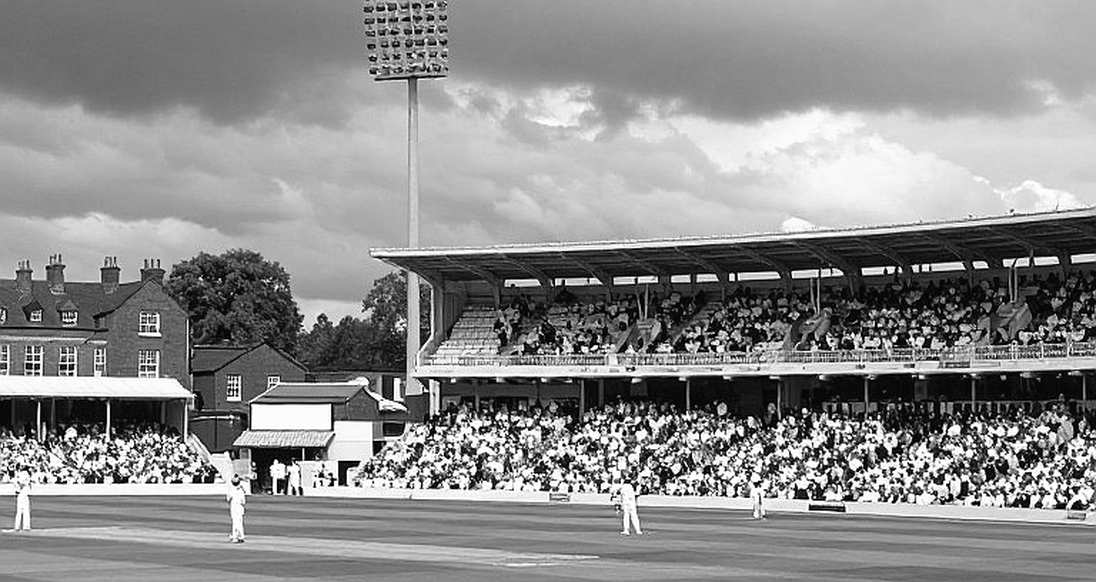
The rules differ. The IPL runs an auction, with a purse of 120 crore rupees per team in the 2026 cycle. The BPL runs a draft with salary categories. Women’s cricket runs the WPL auction. Every one of those doors is guarded by the same document: the board’s No Objection Certificate. That single permit, never televised, is the heaviest price-setter in Asian cricket.
Then there is workload. Fatigue is a formation, not a feeling. A fast bowler who turns out in ILT20 in January, the BPL in February and the IPL in March is not a mood problem, he is a scheduling problem. When a franchise prices him, it is really pricing future availability — who will be standing in which month, and who will be on the injury list. Analysing 50 matches played in empty stadiums in 2026 taught me the same lesson in another sport: home advantage fell from 0.36 to 0.22 goals per match without crowds. Availability is a tracked number, and franchises buy numbers.
Core: the market buys certainty, not merit
Supporters assume prices rise with runs and wickets. Auction rooms work differently. Beside every name a franchise writes three numbers: fitness, recent form, and certainty of appearance. The third is the heaviest.
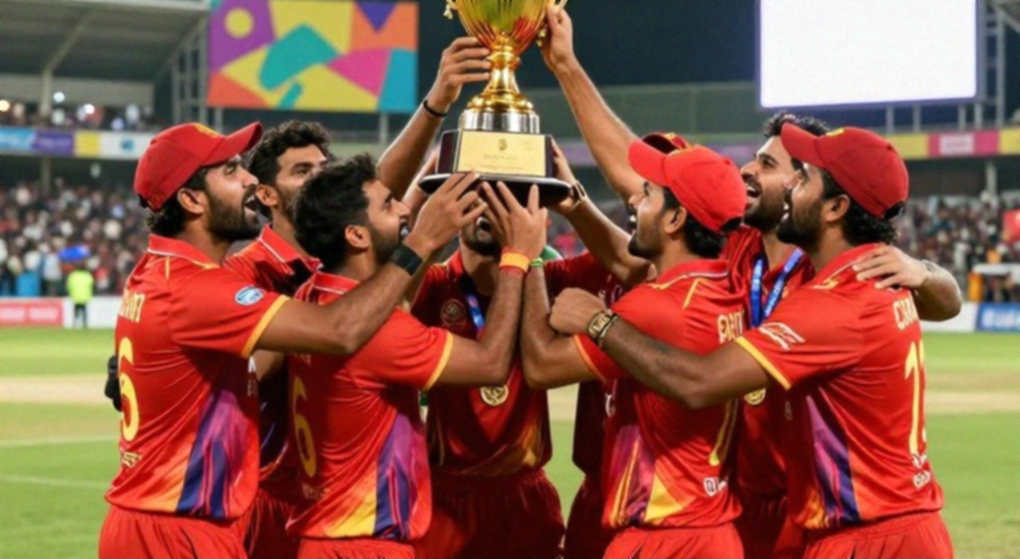
At the IPL auction in Jeddah on November 24-25, 2026, Rishabh Pant went for 27 crore rupees to Lucknow Super Giants, the highest price in auction history. In the same room Shreyas Iyer fetched 26.75 crore from Punjab Kings. Those figures are not certificates of merit. They are votes on who will stand for the whole season. Where the fitness record is clean, the NOC certain and the calendar free of conflict, the price climbs; where a smaller board’s permission, a crowded international schedule and unwritten conditions sit in the file, identical talent goes for half.
The franchise market does not buy performance; it buys certainty: the first ball of the powerplay, the death spell, the new-ball over — the passages where crowds watch, sponsors count and prices rise.
That is where the blind spot opens. The most expensive points in a T20 innings are made between overs 7 and 15, when spin operates, the ring tightens and every ball demands a decision. The strike rates and wickets protected in that passage are what make the last four overs possible. The auction room places almost no value on it. Highlights show the finisher, and the finisher is paid six or seven crore; the batter who held the plan together for 40 balls is paid a base price. I track BPL balls from Sylhet with a notebook, and the picture repeats every season.
Bowling makes it starker. A spinner who bowls four overs in the middle for 26 runs controls the tempo of a game. A seamer who concedes 22 in the last two overs decides it. The auction values the second at two and a half to three times the first. The match-winning decision, though, usually comes from the first man’s work — because without a defended run rate there is nothing left to protect at the death. This invisible class is weaker in Asia because a single player’s NOC is negotiable every year. From Afghan leg-spinners to Nepali wrist-spinners, the shortage is never talent, it is certainty. And the market discounts exactly where certainty is missing.
Agent economics: income sits in the commission, not the stability
The transfer market trades in narratives before it trades in players. Its most efficient narrator is the agent, whose income arrives as commission — that is, on movement. Five stable years at one franchise pay him nothing in cash; a transfer pays. So the agent’s most rational decision is damaging to the franchise, and the damage lands hardest on the smallest teams.
The pattern is familiar in Bangladesh. A side spends two or three seasons building a batter, and the next window takes the core apart. The young players I note at Dhaka Premier League games in Mirpur turn up a year later in another league, in another colour. That is not a club failing. It is the design. An underdog’s success is the advertisement for the next raid.
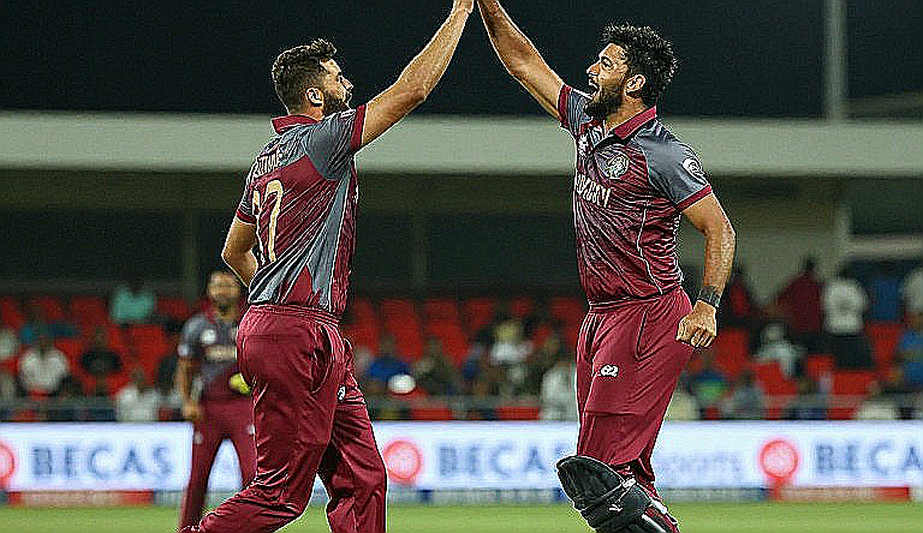
The honest way to measure what a market values is to place two numbers side by side. The highest price at the WPL auction in December 2026 was 1.9 crore rupees. A few weeks earlier, the IPL auction had gone to 27 crore. Same sport, near-identical structure, the same auction theatre — the gap is visibility.
Contrarian: the real gap is in the retention design, not the price
Price dominates the argument; retention rules escape scrutiny. Retention and the Right to Match card force franchises to buy last season’s performance rather than forecast the next one. The market leans permanently backwards, and a player who will break down in six months carries a premium today.
The two-year auction ban on withdrawals did not solve that problem so much as move it. Rules do not erase pressure; they relocate it. Now names are withdrawn at the last minute behind medical certificates, boards are watched over NOC timing, and agents write bore clauses and private insurance into the paperwork. What gets lost is clarity, and without clarity scouting goes blind.
There is a structural blindness that belongs to no individual. A team that bleeds points between overs 7 and 15 does not see the loss in its ledger, only in the points table. And analytics and scouting jobs across the region are still filled largely by identity and acquaintance rather than evidence of skill. Asia’s cricket talks about a free market while keeping its entry gates narrower than the market’s own rhetoric.
Takeaway
Three things are worth tracking before the next window. The boards’ next NOC circular — whether it clarifies availability or blurs it further. Whether the leagues sign any written scheduling protocol, or keep pushing the cost onto the player. And the simplest test: take an unsold number four, find his strike rate between overs 7 and 15, and read the price printed next to his name. Does the best money go to the best ball, or to the most certain one?